
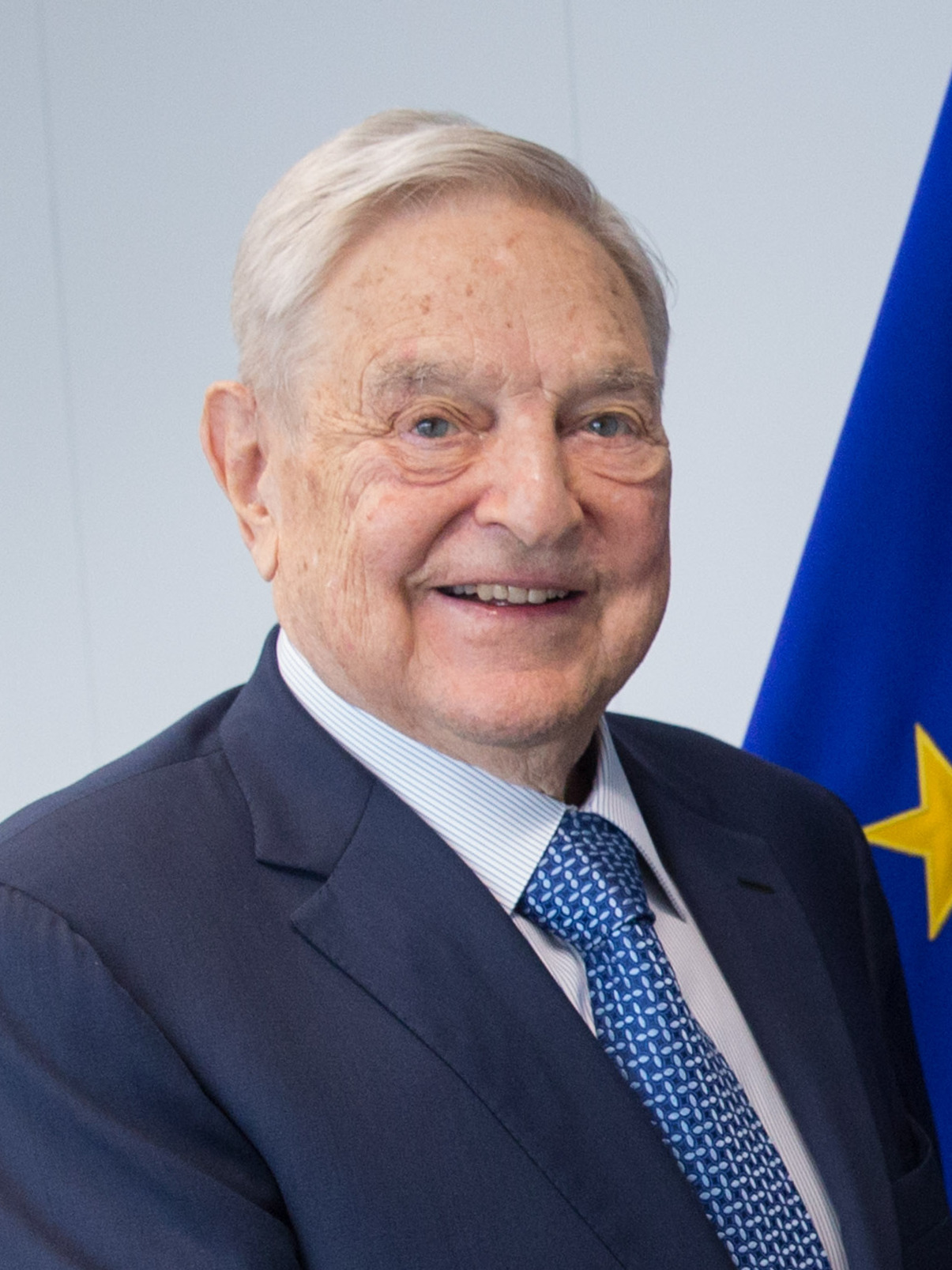
📖 Soros' Worldview — Reflexivity
Soros' investment philosophy is rooted in the epistemology of philosopher Karl Popper. He believes markets are not efficient because a feedback loop operates between participants' perceptions and the underlying reality (fundamentals): perceptions affect reality, and changed reality feeds back to alter perceptions.
For example: investors grow optimistic about a company → the stock price rises → rising stock price improves the company's credit rating → better credit lets it borrow cheaply → actual growth accelerates. This is reflexivity in action — and it works in reverse too. Soros built positions during these disequilibrium windows.
🔑 5 Core Principles
💬 Key Quotes Interpreted
⚠️ Limits of the Soros Strategy — An Honest Warning for Retail Investors
🇰🇷 What This Means for Korean Retail Investors in 2026
George Soros' theory of reflexivity describes a self-reinforcing loop: market participants' perceptions move prices, and those price moves in turn reshape perceptions. Few things illustrate this as cleanly as the 2026 AI infrastructure boom — the narrative that 'AI is the future' pushes chip and data-center stocks higher, the higher prices justify more capex announcements, and those announcements reinforce the narrative further. When TSMC raised its annual capex guidance from $52–56B to $60–64B, the market reinterpreted it not as 'demand confidence' but as an 'overinvestment signal,' and the stock fell — a textbook moment of a reflexive loop turning.
Soros would ask: how wide is the gap right now between the dominant narrative (AI infrastructure grows without limit) and actual fundamentals — and what will be the catalyst that closes it? Moonshot AI's 'Kimi K3' was exactly that kind of catalyst. News that a 2.8-trillion-parameter open-weight model approached top U.S. models' performance was enough to make the market start questioning cracks in the existing narrative of 'overwhelming U.S. AI dominance.' In Soros' framework, these cracks get priced in earlier and more violently than the actual fundamental shift itself.
To be candid, though, actually executing Soros' reflexivity theory as a retail investor is genuinely difficult. Soros applied this theory in real trades (most famously breaking the Bank of England in 1992) while holding both a macro information edge spanning currencies, rates, and politics, and the capital and trading infrastructure to build and unwind large leveraged positions quickly. An individual investor trying to time exactly when the semiconductor sector's reflexive loop turns is, in both information and capital, fighting institutions on their own turf.
The practical lesson retail investors should take from Soros isn't 'predict the reflexive cycle and bet on it' — it's a mindset: stay constantly aware of the gap between the dominant narrative and the fundamentals. The habit of asking yourself whether you're buying a stock because of its actual cash flow and competitive position, or because you're riding the market narrative that 'AI only goes up' — that's how to use Soros' insight safely at the individual-investor level.
One striking angle in the 2026 AI-rally debate is that the argument over which past bubble this most resembles is itself a good example of reflexivity in action. When BofA strategist Michael Hartnett's Bubble Risk Indicator was flagged as approaching levels last seen just before the 2000 dot-com bust, the market immediately began asking itself, 'does this end the same way?' That question alone shapes participants' perceptions, which then feed into buy/sell decisions and get priced in — reflexivity playing out in real time. Another Soros principle worth remembering: 'it's not whether you're right or wrong, but how much you make when you're right and how much you lose when you're wrong.' Even if you correctly read a reflexive cycle, over-leveraging it so that a single reversal wipes out your account makes that insight worthless. For retail investors, this ultimately comes down to position sizing — developing an eye for market narratives and deciding how large a bet to place on that eye should always be two separate decisions. marketbrief's daily semiconductor and AI-sector coverage is useful raw material for checking that narrative-fundamentals gap every day.
📚 Recommended Reading
- 『The Alchemy of Finance』 — The reflexivity theory and Soros' real trading record
- 『Soros on Soros』 — Soros explains his own thought process in interview format
🎯 George Soros-Style ETF Portfolio (Example)
An ETF-only approximation of George Soros's known investing philosophy — not a portfolio George Soros has actually recommended.
⚠️ Includes leveraged products — principal loss risk is especially high.
Diagnose this portfolio →Is my portfolio diversified like George Soros?
Register your holdings for a free concentration and FX-exposure diagnosis.
※ Quotes are paraphrased for clarity. This page is provided for informational and educational purposes only and does not constitute a recommendation to buy or sell any security.
More from the masters
Subscribe for new insight pieces and the daily market brief — free, unsubscribe anytime.